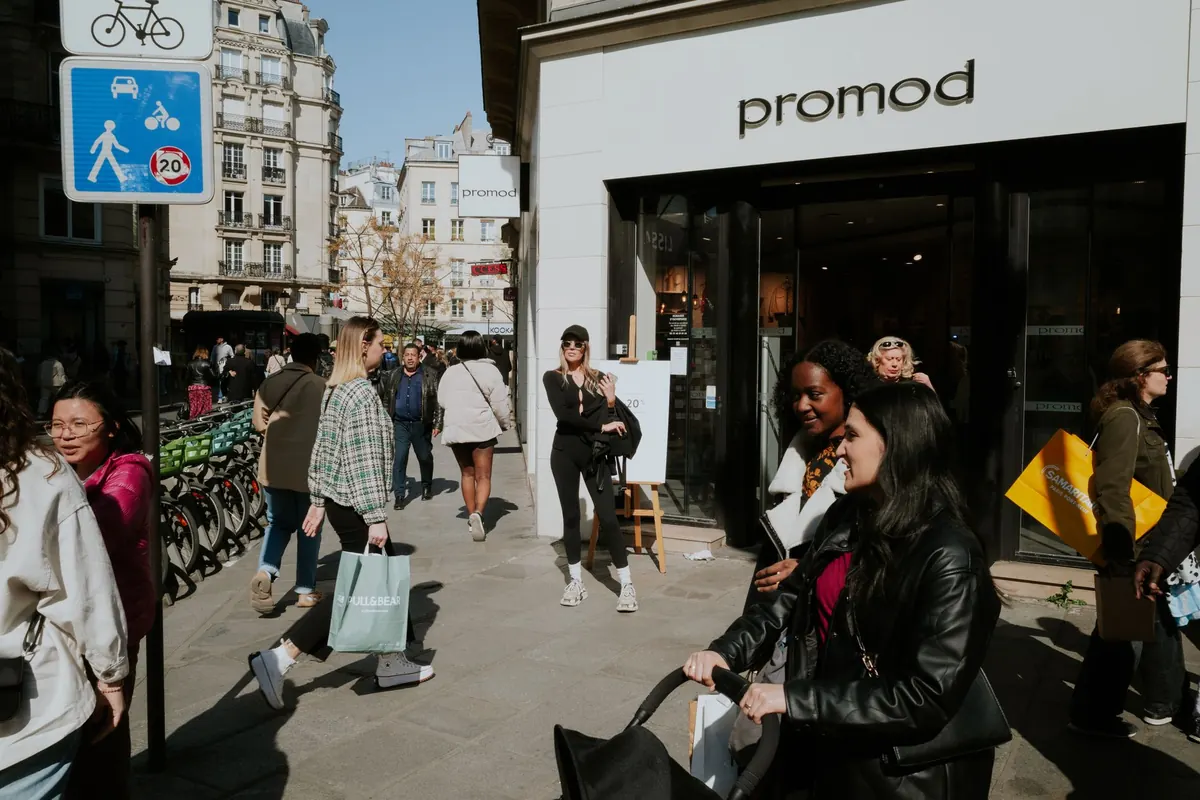
Fashion week looks effortless from the outside. From the pavement it is a long shift: standing, crouching, waiting, then jogging half a block because someone in a perfect coat just crossed the street. The photographers who come home with the frames they wanted are rarely the ones carrying the most gear. They are the ones whose day never stopped for a dead battery, a fogged lens or wet feet.
This checklist is for shooting the street around the shows — arrivals, the crowd between venues, and the people who dress up with no invitation at all. Pack it once, then adjust by city and season.
Start With the Shape of the Day
Most fashion-week days have two moods. Mornings are tight: arrivals, security lines, elbows, a narrow window before the doors close. Afternoons are wider. The crowd thins out, people walk in ones and twos, and you finally have room to compose. Evenings bring low light, warm shop windows and a higher hit rate if your camera handles noise well.
Decide which half of the day you care about most before you pack. If you are chasing arrivals, you want to travel light and move fast. If you are working the pavement between shows, you can afford one more lens and a heavier jacket. Getting this straight in advance will save you a kilogram of gear you never touch.
The Ten-Item Packing Checklist
- One camera body you know by heart. Silent shutter, buttons set where your fingers expect them, and a battery grip only if you actually like the weight. A second body in the bag is a luxury; a compact in your jacket pocket is often the smarter backup.
- Two lenses: slightly wide and noticeably long. A 35mm or 50mm equivalent covers walking shots and full-length looks. An 85mm, 135mm or 70–200mm lets you isolate a face across a crowd without stepping into someone else's frame. That distance is also basic courtesy in a scrum.
- Four batteries and a dual charger. Cold mornings and long waits drain cells faster than you expect. Charge everything the night before, top up over lunch, and mark spent batteries with a rubber band so you are not guessing at 6pm.
- Three mid-sized memory cards rather than one enormous one. Rotate them through the day and keep them in a small pouch, not loose in a pocket with your keys.
- A packable rain shell and a camera cover. Choose a neutral colour — black, navy, olive, grey. It keeps you from bouncing light onto subjects and from standing out in a crowd. A plain poncho covers you; a shower cap or purpose-made cover handles the lens.
- Shoes you have already walked ten kilometres in. Fashion week means cobblestones, wet asphalt, marble lobbies and long stretches of standing still. Blisters end days earlier than rain does.
- A crossbody sling or small messenger bag. It should sit at your hip, zip shut, and swing to your front in a crowd or on the metro. Backpacks look practical and fail the only test that matters: getting a lens out in four seconds.
- A cleaning kit. Two microfibre cloths, a rocket blower, a lens pen. Rain spots, fingerprints and pavement grit on a front element will soften every frame you shoot for the rest of the afternoon.
- A power bank and a short cable. Your phone handles maps, transit, the schedule and the names of people you promised to send pictures to.
- Water, one snack, and something to write on. A notes app or a pocket notebook for names and handles, plus a few business cards if you have them. "Can I send you the frame?" works far better when you can actually reach the person afterwards.
Layers Do More Work Than Gear
Standing still is colder than walking, and a fashion-week pavement is basically a wind tunnel between buildings. Dress like a neutral: functional, quiet, nothing that reflects light back at your subject.
Cold cities
Wool base layer, a light mid layer, a shell that blocks wind, thin gloves with fingertips you can operate a shutter through, and a hat. Keep spare batteries in an inside pocket close to your body, where they stay warm and keep working.
Warm and wet cities
Breathable cotton or linen, a small towel in the bag, sunscreen and sunglasses — you will be outside far longer than you planned. Add a light rain shell that folds into its own pocket, and waterproofing for the bag. A dry bag or a simple plastic liner costs almost nothing and saves a camera when the sky opens between two shows.
What to Leave at Home
Every item you carry is a decision you have to make later. Skip these unless you have a specific reason:
- A tripod. Crowds make it useless, and many venues restrict it anyway.
- A full flash rig. Street work here is about available light and speed.
- Every lens you own. Two, three at most.
- A laptop, if you are not editing on location.
- Any bag that needs two hands and a flat surface to open.
Pack the Night Before, Not in the Morning
Fifteen quiet minutes the night before is the difference between a smooth day and a frantic one. Charge every battery and the power bank. Format your cards in the camera, not on the computer. Wipe the lenses and check the front elements under a lamp. Look at the forecast and set out your layers accordingly. Check the show schedule and mark two or three street spots you want to work between venues, so you are not deciding where to stand while everyone else is already there.
Then zip the bag, leave it by the door, and get some sleep. On the day itself, everything in that bag should be something you reach for without thinking — because the good frames tend to happen in the first hour of standing around, while you are still cold and not yet paying full attention.
Photo: David Kouakou / Pexels