A runway look and a street-style look can come from the same season and share almost nothing else. One is built to read in three seconds under hot lights, walking forty feet. The other has to survive a wet crosswalk, a flight of stairs, a long lunch, and the person you run into at the coffee counter. Knowing which rules belong to which world makes you a sharper dresser — and a much happier one at 8 a.m.
Two Different Briefs
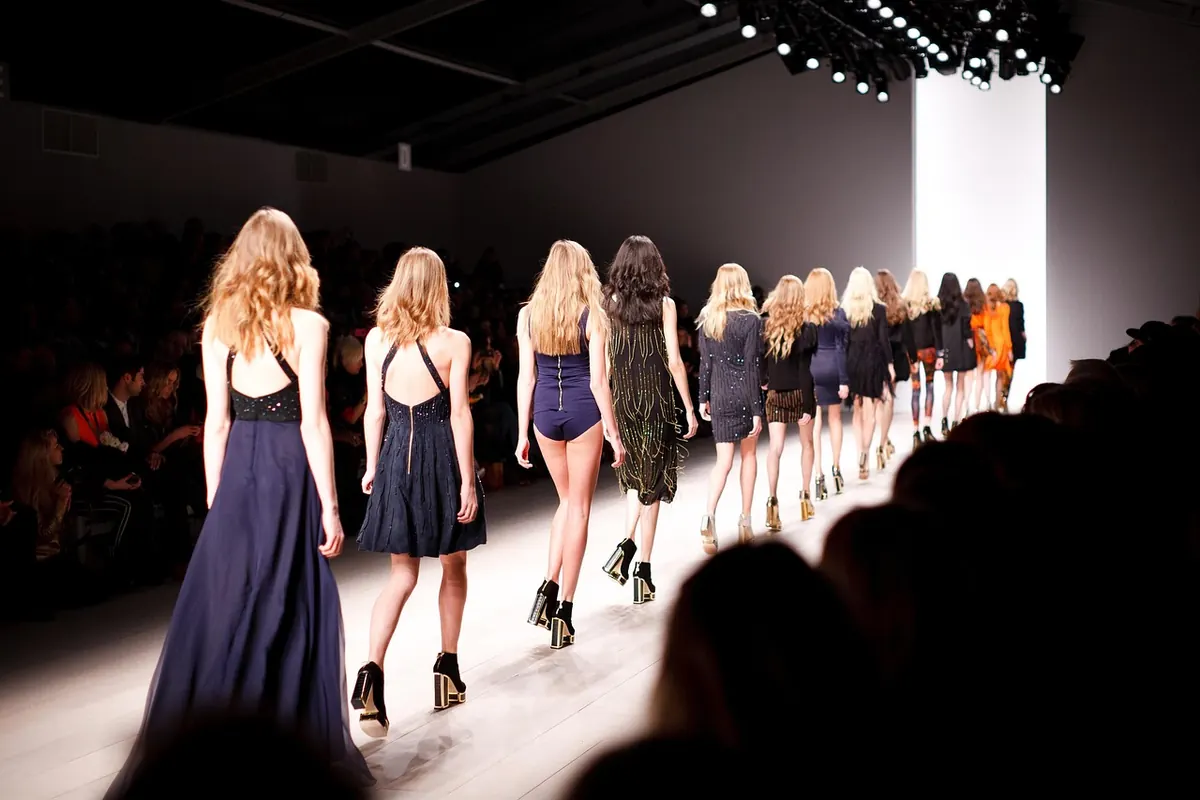
Designers showing on a runway are not dressing you for your Tuesday. They are presenting a proposition: a mood, a shape, a direction for the house. A coat may be cut wide enough to flap dramatically as the model turns; a hem may trail just enough to catch the light. That is craft, not error. But it is craft aimed at a camera.
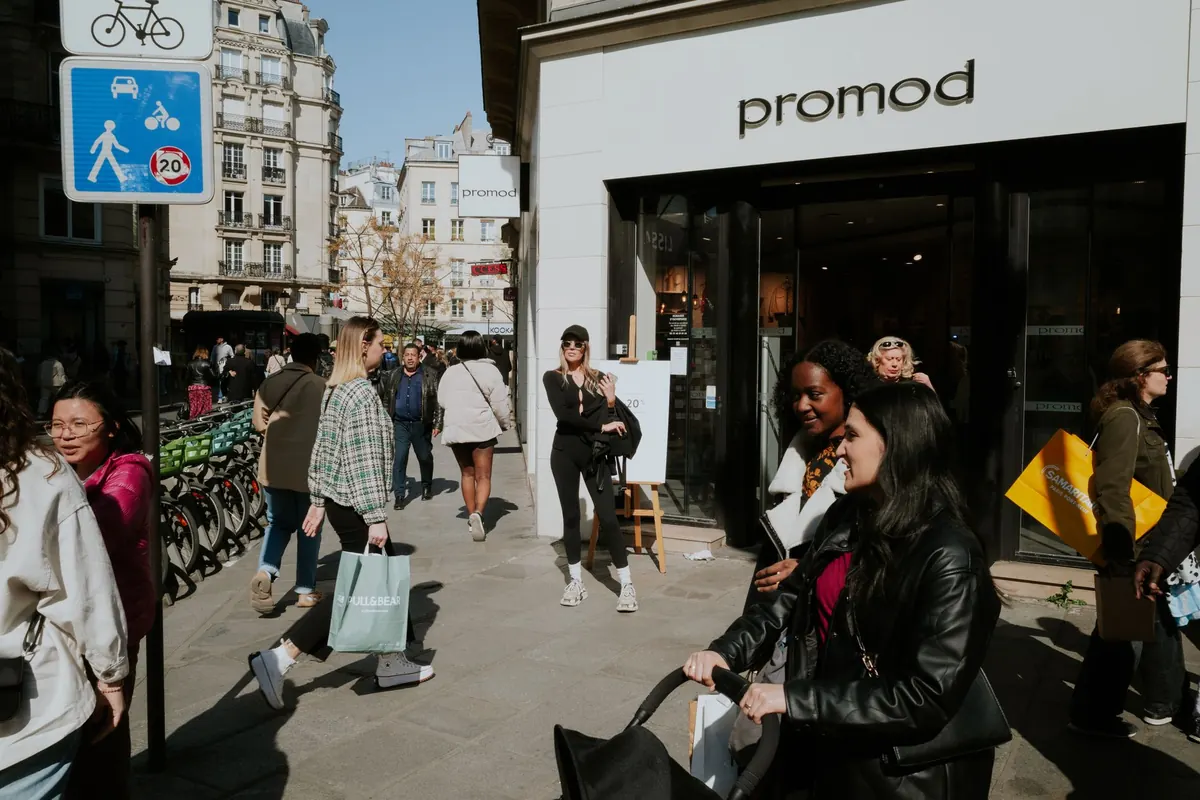
Street style has the opposite brief. It is not one look photographed once — it is a hundred small negotiations with weather, transport, and comfort. The clothes that photograph well on a sidewalk are usually the ones that already worked on the person wearing them: a good coat, jeans that fit, boots that can handle a curb. The photo is a byproduct, not the goal.
Silhouette: Exaggeration vs. Proportion
Runway silhouettes tend toward the extreme because extremes read from a distance. A shoulder extended well past the natural line. A dropped armhole that makes the sleeve droop. A trouser so wide it moves like a curtain. Or the reverse: a narrow, second-skin column that hugs every line. The point is a dominant shape you can identify instantly.
Street style works with proportion rather than volume. The questions are quieter and more specific: where does the waist sit, where does the hem break, how does the shoulder relate to the hip, how much ankle shows above the shoe. Two outfits can use the same pieces and look entirely different because the proportions shifted by an inch.
Give volume an anchor
This is the single most useful rule for translating a show silhouette to real life. If one piece is big, keep the rest close. A padded, oversized coat looks intentional over a slim knit and straight-leg denim; the same coat over wide pants and a chunky sweater can swallow you. If one piece is long, keep the rest short. If one piece is loud in texture, keep the rest quiet. The runway can carry three competing ideas because it has lighting and choreography. You have a bus stop.
Styling: One Story vs. Many Small Decisions
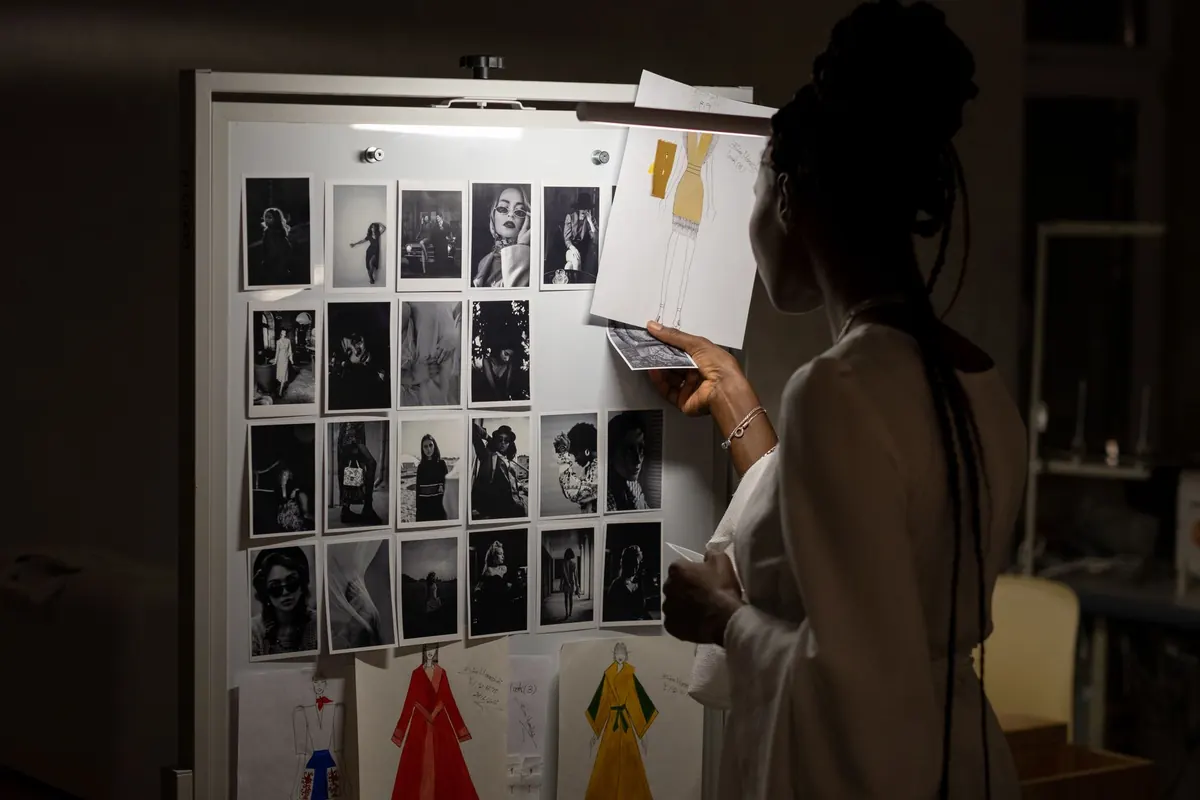
Runway styling is a total narrative. The bag matches the shoe, the belt echoes the glove, the hair and lip support the same mood, and every accessory was chosen by one team with one idea. It is coherence at full volume, and it is why a single piece pulled out of a show can feel stranded on its own.
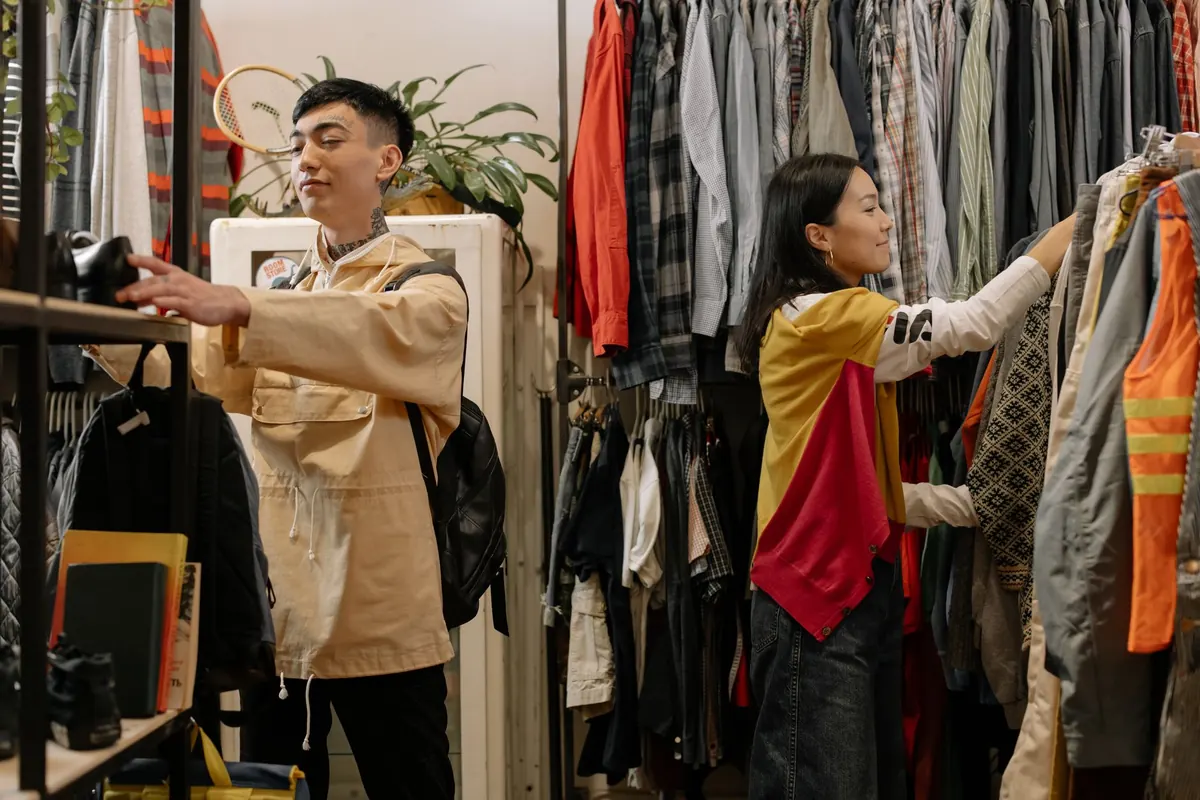
Street style is improvised and layered, and that is its charm. A vintage leather jacket over a new knit. A slip dress with a heavy boot. Track pants with a tailored blazer. The best street looks mix registers — something polished with something rough, something old with something just bought — and they rarely match perfectly. Where the runway says "one story," the street says "this is my life, assembled."
Both approaches are valid. The mistake is wearing one with the expectations of the other: buying a runway piece and being disappointed it doesn't feel casual, or building a street outfit and wondering why it doesn't have the impact of a show look.
The Practicality Test: Pockets, Hems, and Weather
Comfort is not a compromise; it is a design feature. Before you commit to a silhouette, run it through a normal day.
- Hems: A trailing hem is beautiful in a photograph and a sponge in the rain. Check length while wearing the shoes you actually own, not the ones you'd wear in an imaginary life.
- Sleeves: Drop shoulders and long sleeves are gorgeous but can bury your hands. If you can't eat lunch or check your phone, you won't wear it twice.
- Pockets: Real, usable pockets change how a garment behaves. Slit pockets that gape are a sign the fabric is too stiff or the fit too tight.
- Fabric weight: Structured fabrics hold sculptural shapes but can feel rigid on a long day. Soft fabrics drape beautifully but collapse under a heavy bag strap.
- Shoes: This is where most outfits are won or lost. A wide trouser needs a shoe with some weight beneath it; a narrow line looks best with something lean.
- Layers: If a piece only works in one temperature, it's a costume, not a wardrobe.
How to Borrow From the Runway Without Looking Costumed
- Take one idea, not the whole look. Maybe it's the proportion — a cropped jacket over a long skirt — or the color pairing, or just the attitude of a wide leg. One idea per outfit is plenty.
- Scale it down. If the runway shoulder is enormous, go moderately extended. If the hem is floor-sweeping, try ankle-length.
- Swap one element for something ordinary. Keep the statement coat; wear your usual jeans. The contrast is what makes it look lived-in rather than borrowed.
- Audit your day first. Stairs, commutes, and hours on your feet should shape what you choose, not the other way around.
- Try it at home before the day of. Walk around, sit down, raise your arms, carry a bag. Ten minutes of testing saves a whole day of discomfort.
- Let one thing be the loudest. If the shoes are the moment, calm everything else. If the coat is the moment, let it speak alone.
Dress for Your Own Sidewalk
The runway is a place to find ideas; the street is where they get tested. Borrow the confidence of a bold silhouette, then edit it for the life you actually live — the weather, the walking, the sitting, the carrying of things. A look that works on the sidewalk isn't a lesser version of a runway look. It's a different skill, and a harder one to master. Start with fit, add one idea, and let the rest stay quiet. That's how a show moment becomes your own.
Photo: Pexels / Pixabay