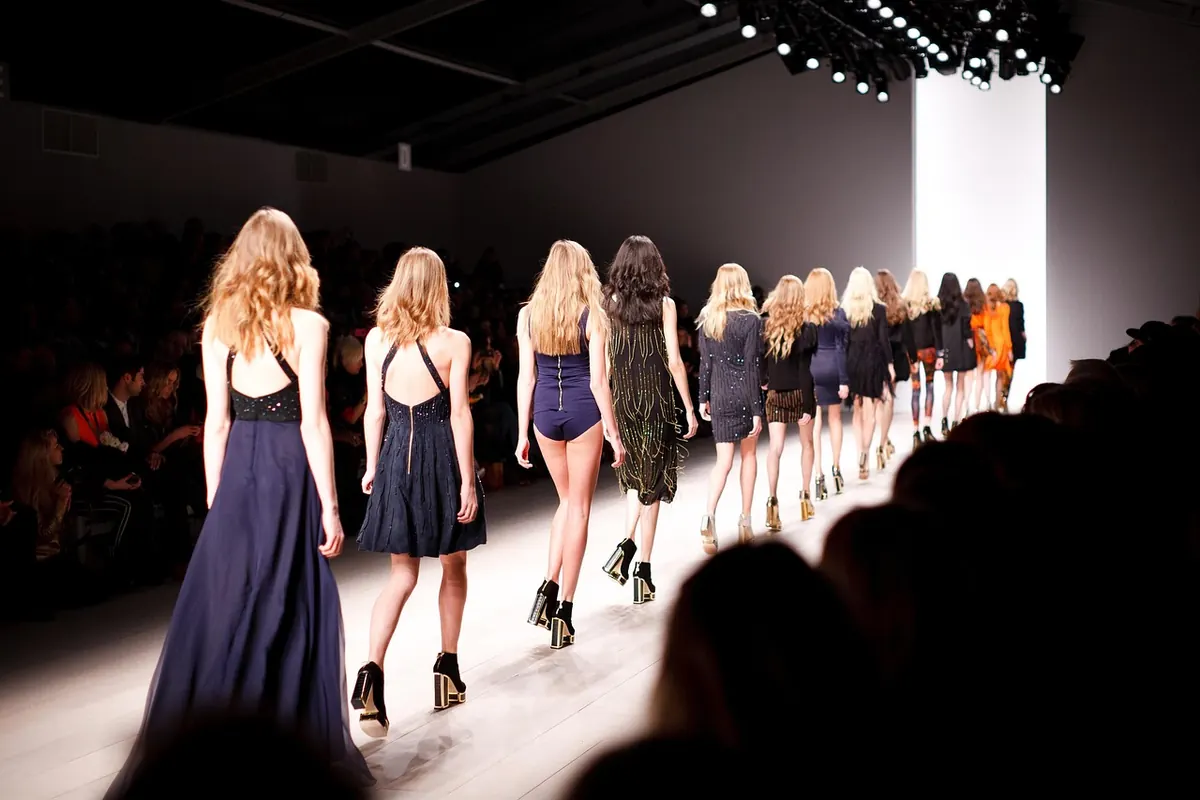
The first genuinely cold morning of the season always brings the same problem: the sweater that actually keeps you warm makes you look like you borrowed someone else's body, and the one that looks sharp lets the wind straight through. Layering fixes this, but only if you stop treating layers as a stack of separate clothes and start treating them as one system. Texture is what makes that system look intentional. Contrast gives the eye something to follow, so volume never gets the chance to read as weight.
What follows is a working method: build from the skin out, decide where the bulk lives, and let fabric choice carry the warmth.
Start With the Thinnest Layer You Own
Most people layer badly because their base layer is already a sweater. By the time a coat goes on top, there are three inches of fabric around the ribcage and nothing looks like it fits.
The base layer should be the lightest thing in the outfit. Fine-gauge merino, silk blends, thin thermal knits, a well-washed cotton crew neck, a long-sleeve tee in a wool blend. These fabrics are warm because the fibres are fine and sit close to the body, trapping air without adding visible thickness. A slim merino crew will often do more for you than a loose, thick acrylic knit, and it disappears under everything.
Two practical notes. Tuck it in, even if only at the front — a base layer that rides up creates a ridge at the waist that shows under a coat. And think about the neckline before you buy. A crew neck under another crew neck bunches at the collar; wear a V-neck underneath, or make the turtleneck the visible layer and skip the problem entirely.
The Middle Layer Is Where the Outfit Happens
This is the layer people see. It should carry the texture, the colour, and most of the personality: brushed wool, cashmere, alpaca, a quilted vest, a flannel overshirt, a denim jacket, a suiting blazer, a chunky ribbed cardigan.
The rule that keeps this manageable is one bulky mid-layer at a time. If the sweater is oversized, everything under it stays thin and everything over it stays sleek. If the mid-layer is fine-gauge and sleek, the coat can afford to be roomy and generous. Two soft, fat layers together is what produces the padded look people complain about.
Texture Pairing That Works
Contrast is doing the visual work, so be deliberate about it. A few guidelines that hold up in real outfits:
- Match the finish, not the colour. Shiny with matte reads as considered. Shiny with shiny, or matte with matte across four pieces, reads as flat.
- One large texture per outfit. A chunky cable knit is the statement. Keep the trousers smooth wool or crisp denim and let the knit be the loud one.
- Add one smooth surface as a pause. Leather boots, a satin slip skirt, a smooth wool trouser. It gives the eye somewhere to rest.
- Pair warm textures with cool ones. Brushed flannel against smooth leather. Fuzzy alpaca against crisp poplin. Ribbed knit against coated cotton.
- Don't stack three of the same. Fleece, brushed wool and shearling in one outfit turns soft into shapeless.
Colour can stay quiet while this happens. A cream turtleneck, a camel cardigan and a chocolate coat have almost no colour contrast at all, but the rib, the fuzz and the smooth wool keep it from looking like a uniform.
Decide Where the Bulk Goes
Every layered outfit needs a narrow point. Pick one — shoulders, waist, or legs — and keep the rest close.
If the coat is oversized, the layers underneath should be cut close to the body, with slim trousers or a straight skirt. If the knit is voluminous, balance it with a narrower bottom and a defined waist, whether that's a belt over a cardigan or trousers with an actual waistband sitting where you want it. If the trousers are wide and heavy, keep the top half clean and thin.
Length matters as much as width. Garments generally layer best when they go shortest to longest, from the inside out. A cropped jacket over a long shirt hem works because the proportions are intentional. A long coat over a cropped sweater and high-rise trousers works for the same reason. Sleeves are the giveaway: bend your elbow and reach forward. If the sleeve pulls or the shoulder seam lifts, the layer underneath is too thick.
Outerwear That Earns Its Space
The coat should be the last thing you choose, not the first. Try it on over the actual layers you plan to wear, not over a T-shirt in a fitting room.
Look for pieces with built-in flexibility: a wool coat with a removable liner, a trench with a quilted vest that buttons in, an unlined leather jacket roomy enough for a thin knit, a mid-length quilted coat light enough to wear in early autumn and into spring. A technical shell over a wool blazer sounds unlikely and looks excellent, especially if the shell is matte and the tailoring is crisp underneath.
In the fitting room, check that the coat closes without strain, that you can drive or reach for something overhead, and that the shoulders don't bunch when your arms come down. A little extra room at the shoulder is useful; too much turns into a silhouette you didn't choose.
Three Combinations to Copy
- City winter. Fine merino turtleneck, brushed flannel overshirt, long wool overcoat, straight-leg wool trousers, leather boots. The texture contrast is fuzz against smooth wool.
- Evening. Silk camisole, oversized cashmere cardigan, long leather coat, tailored trousers or a slip skirt. Thin under loose, then a firm outer layer to hold the shape.
- Weekend cold. Thermal base layer, quilted liner vest, hooded parka, wide wool trousers, chunky knit scarf. The scarf is the only big texture, so the rest stays clean.
Fit Checks and Quick Fixes
Before you leave the house, do three things in front of a mirror: raise both arms, sit down, and turn sideways. If the fabric pulls across the chest when you reach, remove a layer rather than sizing up. If sitting creates a stack of hems at the waist, tuck the base layer and leave the mid-layer loose. If you look round from the side, the problem is usually the middle layer, not the coat.
Keep a few swaps in mind for the days it goes wrong. Replace a chunky knit with a fine-gauge one plus a scarf, and you get the same warmth in a thinner profile. Move a belt to the outside of a cardigan or coat and the waist returns. Choose a scarf in a strong texture and neutral colour, and it becomes the layer that lets everything else stay simple.
Layering well is mostly a matter of subtraction. Choose thin things close to the skin, one textured layer in the middle, and an outer layer with room to breathe. The warmth comes from the air between the layers, not from the thickness of any single piece — and the shape you keep is your own.
Photo: NataljaDanilchenko / Pixabay